
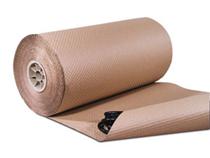
Direct answer: Use this kraft paper roll packing guide to wrap products, fill box voids, protect surfaces, and keep ecommerce shipments moving.
This kraft paper roll page is built for ecommerce sellers, marketplace teams, and packing stations that need clear repeatable rules. The goal is to protect orders, keep the package professional, and avoid wasted supplies.
A good packaging choice should be easy to train. It should also be easy to repeat during a busy shipping day. Therefore, this guide focuses on fit, product risk, packing speed, and the customer experience.
kraft paper roll quick checklist
- Match the package to product size and thickness.
- Choose the smallest safe option that still closes cleanly.
- Check corners, seams, labels, and sealing area before shipping.
- Use stronger protection when the item can bend, crush, or shift.
- Store the fastest-moving supplies closest to the packing table.
- Write down the final package rule for repeat orders.
How to use this paper cushioning guide
Start with the product on the packing table. Measure the item after folding, wrapping, or bundling. Then choose the material that protects the order without adding unnecessary space.
Also, think about how the item will move inside the package. If it can slide, bend, or press against an edge, add support or choose a stronger package. This step helps reduce damage claims.
Common order comparison
| Packaging situation | Recommended move | Why it helps |
| Soft or flexible product | Use the closest safe mailer or bag | Keeps size and weight controlled |
| Flat product with bend risk | Add an insert, board, or bookfold style package | Improves stiffness and edge protection |
| Boxed or fragile product | Use a corrugated box with fill | Adds crush resistance |
| Repeat seller SKU | Save the chosen package rule | Speeds packing and training |
When to upgrade the package
Upgrade when the order is heavier, sharper, more expensive, fragile, or likely to be damaged by bending. However, do not upgrade only by choosing a much larger package. The better move is usually a tighter package with the right support.
For example, flat products may need stiffening. Apparel may need a clean inner bag. A boxed item may need void fill. Each decision should solve the actual shipping risk.
Mistakes sellers should avoid
- Using one package for too many product types.
- Ignoring product thickness after folding or wrapping.
- Leaving large empty spaces inside boxes.
- Putting a label over a curve, seam, or wrinkle.
- Keeping slow-moving supplies in the best packing space.
- Waiting until the last case is open before reordering.
How this guide improves daily fulfillment
A clear kraft paper roll rule reduces guessing. Packers can work faster because they know which supply to use first and when to choose a backup package. In addition, new employees learn the packing standard more quickly.
Review the rule every month. If damage claims, postage costs, or product sizes change, update the package choice. Small improvements can make the packing station more reliable.
Helpful shipping resources
Shop related supplies at ValueMailers, compare this page with another ValueMailers packaging guide, and review carrier or business guidance at this outside shipping resource.
Final packing workflow
First, choose the package before the label is printed. Next, test the fit with the actual product. Then, confirm that the item cannot shift during normal handling. In addition, keep the correct supplies close to the packing table. However, move slow items away from the main work area. For example, store specialty packaging on a labeled shelf. Finally, review the rule when order volume or product size changes.
FAQ for ecommerce sellers
Why does this paper cushioning rule matter?
It gives sellers a repeatable way to protect orders, reduce waste, and choose supplies faster.
How often should sellers review this rule?
Review it monthly or whenever product size, order volume, carrier cost, or customer complaints change.
What is the safest first step?
Pack one sample order, shake it gently, and confirm the product does not move before making the rule permanent.